

Best Intra Workout Supplements For Endurance
Our Top Picks
Affiliate disclosure: if you buy through these links, we may earn a commission at no extra cost to you.

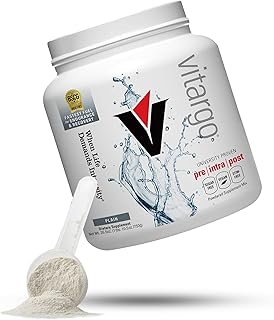
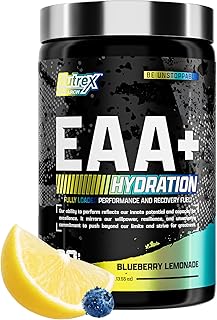
Factors to Consider
Carb type and rate — how many grams per hour
⚡ Quick Answer
Endurance performance and avoiding bonking come down to carbs per hour: for steady efforts aim for 30–60 g/hr, and for long, high-intensity events use 60–90 g/hr with multiple transportable carbs (glucose + fructose). Don't eyeball it — check serving size and carbs per scoop and plan your bottle swaps so you hit that hourly target. Too little and you fade; too much in one serving and your gut will fold up under race stress.
Table of Contents
Electrolyte balance for sweat and cramp control
Pick formulas that clearly list sodium, potassium, magnesium, and calcium — sodium matters most for endurance; expect 200–600 mg/hour depending on heat and your sweat rate. Look for products geared to high-sweat athletes if you cramp or sweat heavily; plain water or low-sodium mixes won't cut it. Also avoid vague "electrolyte blend" labels — the numbers tell you whether a scoop will actually replace what you're losing.
Stomach tolerance and osmolality
Mixability and osmolality decide whether a product stays in your gut or empties cleanly into your bloodstream. Go for lower-concentration mixes, single-serve sticks for precise dilution, and avoid high-fructose, sugar-alcohol, or high-fiber formulas when racing — those are GI-trouble magnets. Test everything in training; race day is not the place to trial a new mix.
Active ingredients that actually help during workouts
During exercise, prioritize fast carbs, electrolytes, and optional EAAs for muscle preservation; beta-alanine and creatine are useful but primarily for adaptations, not immediate intra-workout effects. Ingredients like citrulline or nitrates can help blood flow but require dosage and timing — don’t expect instant magic. If a product markets a long ingredient list with tiny doses, it's likely marketing, not performance.
Third-party testing, packaging, and real-world durability
Choose products certified by NSF Certified for Sport or Informed-Sport if you compete — contamination risk is real and avoidable. Look for single-serve sticks or re-sealable tubs that survive being tossed into a kit bag and won’t clump in heat. Price per serving matters, but durability of packaging and straightforward labeling matter more when your kit takes a beating.
Frequently Asked Questions
What is the best intra-workout supplement for long-distance running?
For long runs the most practical choice is a carb-electrolyte powder that delivers 30–60 g carbs per hour plus a solid dose of sodium and potassium. Single-serve sticks you can mix on the go and formulas proven to mix clear in bottles will keep your stomach happy; test the product in training before race day.
How many carbs per hour should I aim for during an event?
Most athletes do well on 30–60 g/hr for moderate efforts; for prolonged high-intensity efforts you can push to 60–90 g/hr using a mix of glucose and fructose to increase absorption. Break the dose into smaller, regular sips every 10–20 minutes to avoid GI upset.
Are BCAAs or EAAs worth taking intra-workout for endurance?
EAAs can help blunt muscle breakdown during long events, especially when you're exercising fasted or at very high volumes; BCAAs alone are less effective. Treat them as an optional add-on — prioritize carbs and electrolytes first, then consider EAAs if recovery between sessions is poor.
Should my intra-workout contain caffeine?
Caffeine can boost alertness and perceived effort, but it’s a stimulant, not a hydration product — use it strategically and only if you tolerate it. If you already use caffeine pre-race, match dosing in training; sudden additions during long efforts can spike GI issues or anxiety.
How do I avoid stomach cramps and GI distress?
Lower concentration mixes, smaller sips, and a tested carb rate are your best defenses against cramps. Avoid high-fructose blends, sugar alcohols, and new flavors on race day; and practice your fueling plan under similar intensity and heat conditions during training.
Can intra-workout supplements replace sports drinks or real food?
They can replace sports drinks if the product delivers comparable carbs and electrolytes, but for very long events you’ll still need solid calories (gels, chews, real food) to hit high hourly carb targets. Use powders for hydration and steady carbs, and supplement with solids when you need longer-lasting calories or variety.
What about keto or low-carb athletes — are intra-workouts necessary?
If you're fully keto-adapted you may rely less on carbs during sessions, but electrolytes become even more important to prevent cramps and maintain performance. Even keto athletes will sometimes use targeted carbs for hard efforts; plan doses and test them in training to avoid GI surprises.
Conclusion
Bottom line: for real endurance work you want a carb-focused intra-workout with clear electrolyte numbers, clean mixability, and third-party testing — nothing fancy-sounding without measurable doses. Pick a product that fits your hourly carb goal (30–60+ g/hr), replaces sodium, and has packaging built for the road; that’s the one that will keep you out of the medical tent.
Best for: endurance athletes who need practical, race-tested fueling — runners, cyclists, and triathletes who train hard and want reliable performance without stomach drama.


