

Ankle Braces vs Compression Sleeves: Which Should You Buy in 2026
Ankle Braces vs Compression Sleeves: Which Should You Buy in 2026
If your ankle is sore, swollen, or prone to rolling, the wrong support can waste time. A compression sleeve may be comfortable but useless for an ankle that keeps giving way. A rigid brace may protect a vulnerable joint but be unnecessary for mild soreness during a low-impact workout.
The decision comes down to one question: do you need compression and feedback, or do you need real mechanical stability? This guide breaks down ankle braces and compression sleeves for sprains, recurring instability, sports use, swelling, and the return to activity.
Affiliate disclosure: if you buy through these links, we may earn a commission at no extra cost to you.
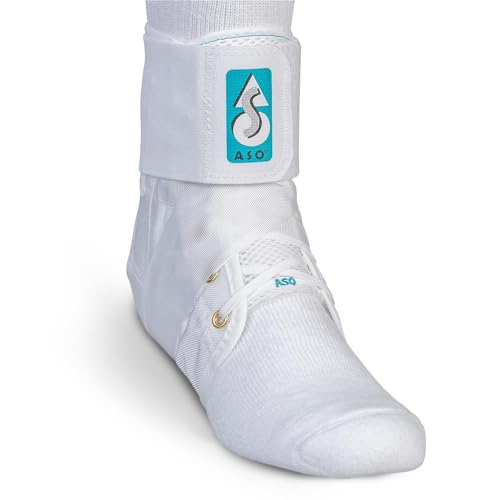
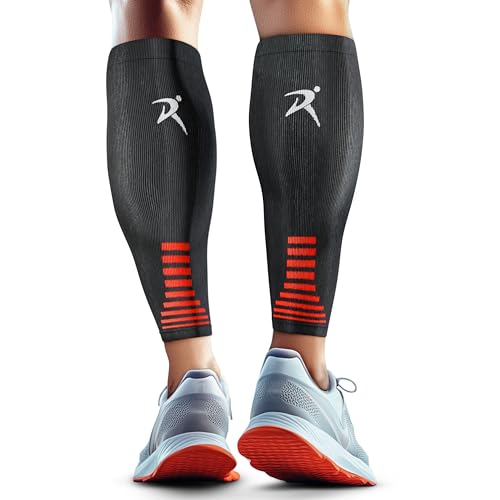
Table of Contents
- Our Top Picks
- Quick Verdict
- About Ankle Braces
- About Compression Sleeves
- Head-to-Head: Stability During Sport
- Head-to-Head: Swelling and Recovery Comfort
- Head-to-Head: Fit Inside a Shoe
- Head-to-Head: What Each One Can Actually Fix
- Who Should Choose Ankle Braces?
- Who Should Choose Compression Sleeves?
- Our Verdict
- Frequently Asked Questions
- Sources & References
Our Top Picks
Affiliate disclosure: if you buy through these links, we may earn a commission at no extra cost to you.
Quick Verdict
Choose Ankle Braces if...
- Your ankle feels unstable, gives way, or has a history of repeated sprains.
- You are recovering from a moderate sprain or returning to cutting, pivoting, jumping, or contact sports.
- You need structured protection rather than gentle compression alone.
Choose Compression Sleeves if...
- You have mild soreness, minor swelling, or want preventive support for a stable ankle.
- You are in the later stage of a mild sprain or transitioning back after the ankle has largely healed.
- You want a low-profile option for walking, training, or other lower-impact activity.
| Factor | Ankle Braces | Compression Sleeves |
|---|---|---|
| Support Level | Structured support from lace-up, semi-rigid, or rigid designs; better for mechanical stability. | Even, gentle compression with sensory feedback and subtle stability; minimal structural support. |
| Best For | Moderate sprains, recurrent instability, cutting sports, pivoting, and higher-risk movement. | Mild soreness, minor swelling, prevention, low-impact activity, and late Grade I recovery. |
| Fit and Setup | Requires correct lacing or strap adjustment and must be tested with the shoes used for sport. | Pull-on setup, but sizing, ankle coverage, stretch, and compression level still matter. |
| Reliability During Sport | More reliable when the ankle is exposed to cutting, jumping, contact, or sudden changes in direction. | Useful for comfort and feedback, but not dependable protection against high-risk ankle rolling. |
| Swelling and Recovery Role | Protects the joint while rehabilitation continues but does not replace balance or strengthening work. | Can help manage mild swelling and provide feedback without the bulk of a structured brace. |
| Main Drawback | More setup, more material, and a greater chance of shoe-fit problems if adjusted poorly. | It cannot provide the mechanical stability needed when the ankle gives way or remains significantly injured. |
About Ankle Braces
An ankle brace is the better tool when the joint needs containment. Lace-up and semi-rigid braces provide more structured protection than a stretchy sleeve, which matters when an athlete is cutting, pivoting, jumping, or returning to sport after a significant sprain. If the ankle feels like it may give way, compression alone is not enough.
Structured bracing is generally the right direction for a Grade II sprain, chronic ankle instability, or a recent significant injury. A Grade III sprain is a different situation. Rigid support or a walking boot, along with medical evaluation, may be appropriate. An ankle that cannot bear weight or feels unstable even during normal walking should not be managed by simply buying the first brace that appears in an online search.
Fit determines whether a brace helps or creates another problem. It should feel snug, but there should still be room for approximately one finger between the brace and the skin. Numbness, tingling, or changes in toe color mean it is too tight and needs to be loosened. Test the brace with the shoes you actually plan to wear. A brace that works in the living room but will not fit inside your game shoes is not a useful sports brace.
About Compression Sleeves
A compression sleeve applies even, gentle pressure around the ankle or lower leg. That pressure may help with mild swelling and can improve sensory feedback about joint position. Most ankle-focused sleeves are made from stretchy, breathable fabric and are designed to fit inside a shoe. They are low-profile and easy to put on, which is why athletes often prefer them for day-to-day activity.
Compression is a reasonable choice for mild soreness, minor swelling, preventive support during exercise, and the later stage of a mild sprain. It also makes sense during the transition period after a more significant sprain has largely healed. For a stable ankle during walking, light training, or low-impact exercise, a sleeve may provide the comfort and feedback you need without the extra structure of a brace.
Do not confuse comfort with protection. A sleeve provides minimal structural support and no true mechanical stability for high-risk movements. Product names also overlap: some listings call a product a sleeve, brace, support, or stabilizer. Look at the material, stretch level, actual ankle coverage, and whether it includes straps. A calf sleeve or arm sleeve is not an ankle support just because the word “compression” appears in the product title.
Head-to-Head: Stability During Sport
Ankle braces win when the sport demands sudden changes of direction. A lace-up or semi-rigid brace is designed for the athlete whose ankle needs more than a reminder to stay aligned. That makes it the stronger option for cutting, pivoting, jumping, contact, recurrent sprains, and the return to play after a moderate injury.
A compression sleeve is not a substitute for that protection. It may improve awareness of the joint and make the ankle feel supported, but it will not reliably control an ankle that repeatedly rolls or gives way. If instability is the problem, buy for stability rather than choosing the most comfortable product on the shelf.
Head-to-Head: Swelling and Recovery Comfort
Compression sleeves are the more natural choice when mild swelling or general soreness is the main issue. The cited Michigan podiatrist guide reports that clinical studies in post-surgical ankle patients found 20–30 mmHg graduated compression reduced measurable swelling by approximately 25–40% compared with no compression during the first 72 hours. That finding applies to the post-surgical patients studied; it is not a guarantee for every fresh ankle sprain.
Do not force compression over a rapidly swelling new injury during the first 24–48 hours without appropriate guidance. After the acute phase, use the lowest effective compression. Class I compression is generally 15–20 mmHg, Class II is 20–30 mmHg, and Class III is 30–40 mmHg. Class III requires medical supervision, while most quality over-the-counter sleeves provide approximately 15–25 mmHg. After surgery, follow the surgeon’s instructions rather than placing compression over sutures or healing incisions without approval.
Head-to-Head: Fit Inside a Shoe
A sleeve usually has the advantage on profile. Stretch fabric is intended to sit inside a shoe, and there is no lacing system to adjust before practice. That does not make sizing unimportant. A sleeve that bunches, slides, or creates pressure points will not provide consistent compression and may become distracting during movement.
Ankle braces require more attention, especially when worn for basketball, soccer, tennis, volleyball, or other sports with close-fitting footwear. The brace must be adjusted securely without causing numbness, tingling, or toe discoloration. Always test the brace with the socks and shoes used for the activity. If the brace changes your shoe fit enough to alter movement, it needs a different size, a different shoe, or a different support design.
Head-to-Head: What Each One Can Actually Fix
Neither product repairs an injured ankle by itself. A brace protects the joint while the athlete works through rehabilitation, but it does not restore natural stability. Balance drills and strengthening work still matter. The Pro Therapy Supplies guide specifically advises rehabilitation because bracing alone does not rebuild the ankle’s control.
A sleeve is even narrower in its role. It can assist with mild swelling, comfort, and proprioceptive feedback, but it will not correct chronic instability. Research cited in the Michigan guide indicates that chronic ankle instability may affect up to 40% of people after a first ankle sprain. For athletes with repeated sprains, the Pro Therapy Supplies guide cites research suggesting that wearing a lace-up or semi-rigid brace during high-risk sports may reduce re-injury risk by up to 50%. That is an upper-end estimate, not a promise, and it does not eliminate the need for rehabilitation.
Who Should Choose Ankle Braces?
Choose an ankle brace if your ankle gives way, you have repeated sprains, you are recovering from a Grade II injury, or your sport involves cutting and pivoting. A brace is also the better choice when you are returning to higher-risk activity and still do not fully trust the joint. If the ankle feels unstable during ordinary walking, or if you cannot bear weight, step up from self-treatment and seek professional advice. A Grade III injury, a recent operation, or persistent numbness and discoloration also require clinical guidance rather than a casual brace purchase.
Who Should Choose Compression Sleeves?
Choose an ankle-specific compression sleeve when the ankle is stable but mildly sore or swollen. It is a practical option for minor swelling, preventive support, walking, low-impact training, and the later phase of a mild Grade I sprain. It also works well as a transition after a more serious sprain has largely healed, provided the ankle is no longer unstable. If you are depending on the sleeve to stop the ankle from rolling, it is the wrong product.
Our Verdict
Use a simple rule: instability means ankle brace; mild swelling or soreness means compression sleeve. For an athlete returning to cutting, pivoting, or contact sport after a moderate sprain or repeated ankle rolls, buy a lace-up or semi-rigid ankle brace. It offers the structured protection a sleeve cannot provide. For a stable ankle that only needs light compression and feedback, buy an ankle-specific compression sleeve and keep it low-profile inside your shoe.
Do not use either product as a replacement for rehabilitation. The best support is the one matched to the actual problem, worn correctly, and used alongside balance and strengthening work. When the injury is severe, the ankle will not bear weight, or instability persists, get the ankle assessed instead of trying progressively tighter gear.
Frequently Asked Questions
Can a compression sleeve replace an ankle brace?
Usually, no. A sleeve can be enough for mild soreness, minor swelling, prevention, or late Grade I recovery when the ankle is stable. It does not provide the mechanical stability of a lace-up or semi-rigid brace and is not the right choice for repeated giving-way, Grade II sprains, or high-risk cutting sports.
Is a compression sleeve good for a sprained ankle?
It can be appropriate for a mild sprain or the later stage of recovery when swelling is minor and the ankle feels stable. Moderate sprains, significant recent injuries, and ankles that feel unstable generally need more structured protection. Severe sprains should be clinically evaluated.
How tight should an ankle brace or sleeve be?
The fit should be snug without causing numbness, tingling, or toe color changes. Fitting guidance recommends allowing approximately one finger between the brace and the skin. Loosen it if circulation or sensation changes, and test the product with the shoes you intend to wear.
Should I wear compression immediately after an ankle injury?
Be careful with a rapidly swelling fresh injury during the first 24–48 hours. Do not apply a sleeve over a new surgical incision or healing sutures unless the surgeon approves it. After the acute phase, use the lowest effective compression rather than assuming tighter is better.
How long does an ankle sprain take to heal?
Typical estimates are approximately 1–2 weeks for a Grade I sprain, 3–6 weeks for a Grade II sprain, and 8–12 weeks or more for a Grade III sprain. Those are general ranges, not return-to-sport clearance. Pain, instability, inability to bear weight, numbness, or discoloration are reasons to seek professional assessment.


